Industrial painting operations require a controlled environment to achieve consistent coating quality, reduce overspray, and…
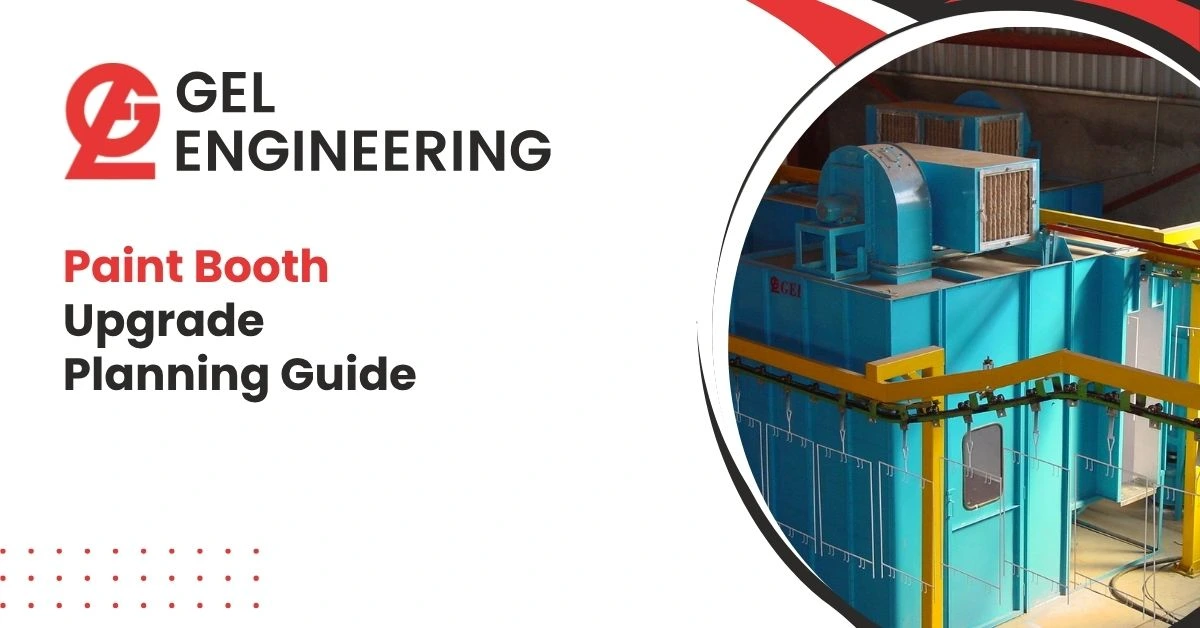
In industrial coating operations, maintaining efficiency and consistent quality is critical for productivity and profitability. Over time, paint booth systems may become outdated due to continuous usage, changing production demands, and advancements in technology. Aging systems often suffer from poor airflow control, increased energy consumption, and frequent maintenance issues, which can negatively impact coating quality and operational efficiency.
Table of Contents
Upgrading a Paint Booth is a strategic decision that goes beyond replacing worn-out components. It involves a comprehensive evaluation of system performance, identification of inefficiencies, and implementation of modern solutions to improve airflow, ventilation, and energy efficiency. A well-planned upgrade not only enhances performance but also reduces operational costs and ensures compliance with industry standards. This guide provides a detailed roadmap for planning and executing a successful paint booth upgrade.
Understanding the Need for Paint Booth Upgrades
As industries evolve, production requirements become more demanding, requiring higher precision and efficiency. Older paint booth systems may not be capable of meeting these requirements due to outdated technology and worn components.
A modernized Paint Booth ensures improved airflow control, better contamination management, and enhanced safety. Upgrading helps businesses stay competitive by improving productivity, reducing downtime, and ensuring consistent coating quality.
Evaluating Current System Performance
Before initiating an upgrade, it is essential to assess the current system performance in detail. This includes analyzing airflow patterns, filtration efficiency, and overall system reliability.
A thorough evaluation of the Paint Booth helps identify performance gaps and prioritize upgrade areas. This step ensures that investments are focused on components that deliver maximum improvement.
Key evaluation factors include:
- Airflow balance and distribution
- Condition of filters and ducts
- Efficiency of exhaust systems
- Energy consumption levels
- Frequency of maintenance issues
- Quality of paint finishes
Planning Airflow and Ventilation Improvements
Airflow and ventilation are the backbone of paint booth performance. Poor airflow can result in uneven coatings, contamination, and increased energy usage.
Upgrading airflow systems in a Paint Booth ensures uniform air distribution and efficient removal of contaminants. Proper ventilation design enhances both performance and safety.
Key improvement areas include:
- Optimizing intake and exhaust airflow balance
- Eliminating airflow obstructions
- Ensuring consistent air velocity
- Redesigning ventilation layout
- Improving duct efficiency
- Maintaining proper pressure levels
Selecting the Right Fan Motor and Size
Fan motors are responsible for driving airflow within the system, making them a critical component in upgrade planning. Using outdated or inefficient motors can significantly reduce performance and increase energy costs.
Choosing the right components for a Paint Booth ensures optimal airflow and energy efficiency. Proper motor and fan sizing improve reliability and reduce operational expenses.
Key considerations include:
- Selecting high-efficiency motors
- Determining correct fan size
- Matching motor capacity with airflow requirements
- Installing variable frequency drives
- Ensuring proper motor alignment and installation
- Monitoring motor performance regularly
Upgrading Exhaust Systems and Setup
The exhaust system plays a crucial role in maintaining air quality and pressure balance within the paint booth. Inefficient exhaust systems can lead to poor ventilation and contamination issues.
An upgraded Paint Booth exhaust system ensures efficient removal of fumes and overspray, improving both performance and safety. Proper setup also reduces energy consumption and enhances reliability.
Key upgrade steps include:
- Installing high-efficiency exhaust fans
- Optimizing duct design to reduce resistance
- Ensuring proper exhaust placement
- Preventing air leaks and blockages
- Maintaining consistent airflow
- Upgrading outdated components
Ready to upgrade your paint booth for better performance? Contact us today to design a customized Paint Booth upgrade solution tailored to your needs.
Fan Setup Optimization and Airflow Alignment
Fan setup plays a major role in determining airflow efficiency and system performance. Improper fan alignment can create turbulence and reduce airflow effectiveness.
Optimizing fan setup in a Paint Booth ensures smooth air movement and consistent pressure balance. Proper alignment also reduces vibration and improves system lifespan.
Key improvements include:
- Aligning fans for uniform airflow
- Positioning fans strategically
- Minimizing vibration and noise
- Ensuring proper mounting
- Regular inspection and adjustment
Integration of Exhaust and Ventilation Systems
For maximum efficiency, exhaust and ventilation systems must work together seamlessly. Poor integration can result in airflow imbalance and reduced performance.
A well-integrated Paint Booth system ensures smooth airflow and efficient contaminant removal. Proper coordination between systems improves overall efficiency and safety.
Key strategies include:
- Synchronizing intake and exhaust systems
- Maintaining pressure balance
- Optimizing airflow pathways
- Reducing energy losses
- Ensuring system compatibility
Energy Efficiency and Cost Planning
Upgrading a paint booth provides an opportunity to improve energy efficiency and reduce operational costs. Inefficient systems consume more power and increase expenses.
An optimized Paint Booth uses energy-efficient components and smart technologies to minimize energy usage while maintaining performance. Proper planning ensures long-term savings.
Key strategies include:
- Upgrading to energy-efficient motors and fans
- Implementing automation systems
- Conducting energy audits
- Reducing unnecessary airflow
- Using smart control systems
- Monitoring energy consumption
Implementation Strategy and Downtime Management
Executing an upgrade requires careful planning to minimize disruption to production. Poor implementation can lead to delays and operational losses.
A well-planned Paint Booth upgrade ensures smooth installation and quick transition to improved performance. Proper scheduling and coordination are essential.
Key steps include:
- Planning upgrades during low production periods
- Coordinating with installation teams
- Testing system performance post-upgrade
- Training operators on new systems
- Monitoring system performance after installation
Frequently Asked Questions
What factors should be considered before upgrading a paint booth system?
Before upgrading, it is important to evaluate airflow efficiency, equipment condition, energy consumption, and production requirements to ensure the upgrade delivers maximum performance improvement.
How does upgrading fan motors and sizing improve paint booth performance?
Upgrading to energy-efficient fan motors with correct sizing ensures optimal airflow, reduces energy consumption, and improves consistency in coating quality.
Is it better to upgrade components or replace the entire paint booth system?
Upgrading key components is often more cost-effective and delivers significant improvements, but full replacement may be necessary for outdated or inefficient systems.
How can energy efficiency be improved during a paint booth upgrade?
Energy efficiency can be improved by using high-efficiency motors, optimizing airflow, integrating automation systems, and reducing unnecessary power consumption.
What role does exhaust system improvement play in upgrade planning?
An upgraded exhaust system improves removal of fumes and overspray, maintains pressure balance, and enhances overall system performance and safety.
Conclusion
Upgrading a paint booth system is a strategic investment that enhances efficiency, reliability, and product quality. By focusing on critical components such as airflow, ventilation, fan motors, and exhaust systems, businesses can significantly improve performance and reduce operational costs. A well-planned upgrade ensures that systems meet modern production demands and industry standards.
A modernized Paint Booth not only improves coating consistency but also supports energy efficiency and long-term sustainability. With proper planning, implementation, and maintenance, paint booth upgrades deliver significant value and operational excellence. As technology continues to advance, upgrading systems becomes essential for staying competitive in industrial finishing operations.
Related Posts