A Paint Booth plays an important role in industrial spray painting and surface finishing operations.…
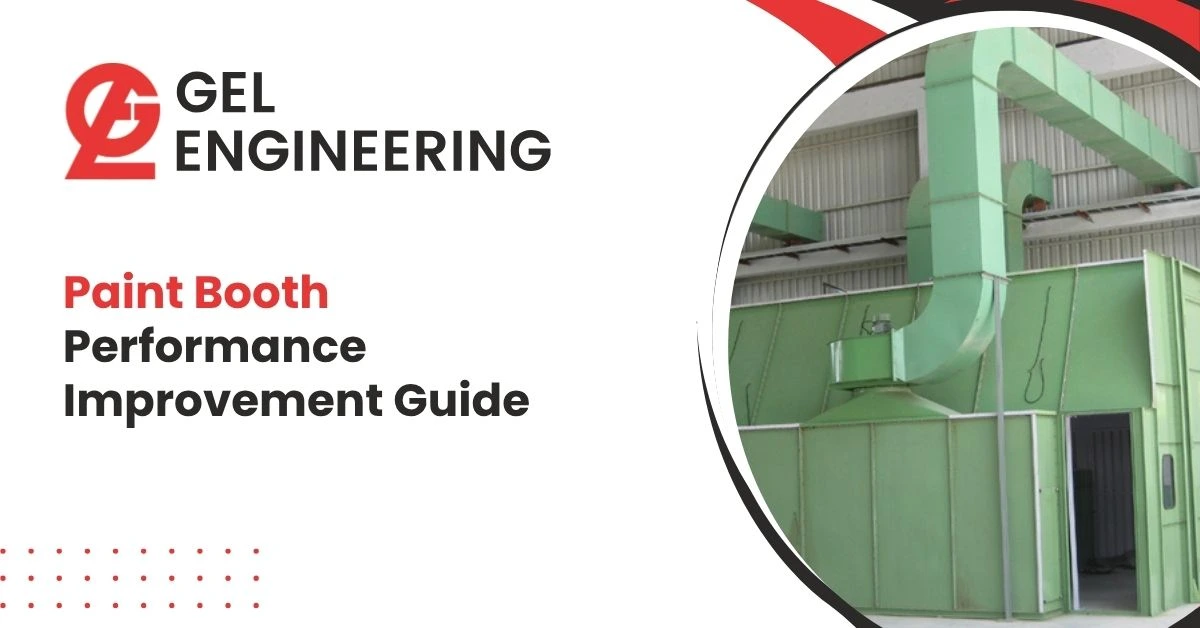
In industrial coating and finishing operations, performance consistency is critical to maintaining product quality, reducing rework, and optimizing operational efficiency. Paint booths are designed to create a controlled environment, but over time, factors such as improper airflow, inefficient ventilation, and lack of maintenance can significantly reduce system performance. These inefficiencies not only affect coating quality but also increase energy consumption and operational costs.
Table of Contents
A well-optimized Paint Booth ensures a stable and contamination-free environment that supports uniform coating application and safe working conditions. Improving performance requires a comprehensive approach that focuses on airflow optimization, exhaust efficiency, system design, and ongoing monitoring. This guide provides a detailed framework to help industries enhance paint booth performance and achieve consistent, high-quality results.
Understanding Paint Booth Performance
Paint booth performance is defined by how effectively the system maintains clean airflow, removes contaminants, and supports uniform paint application. A high-performing system ensures that air moves consistently across the workpiece while efficiently removing overspray and fumes.
In a Paint Booth, performance is directly linked to system design and component efficiency. Poor performance can lead to defects such as uneven coatings, dust contamination, and increased drying time. By understanding how each component contributes to overall performance, businesses can identify areas for improvement and implement effective solutions.
Airflow Optimization for Maximum Efficiency
Airflow is the most critical element in determining paint booth performance. Proper airflow ensures that contaminants are removed efficiently while maintaining a clean and stable environment for painting operations.
Optimizing airflow in a Paint Booth involves balancing intake and exhaust systems to maintain consistent air velocity and direction. This not only improves coating quality but also enhances worker safety by reducing exposure to harmful fumes.
Key improvements include:
- Maintain recommended air velocity levels
- Balance intake and exhaust airflow
- Ensure uniform airflow distribution
- Monitor static pressure regularly
- Eliminate dead zones and turbulence
- Avoid excessive airflow that increases energy usage
Exhaust Hood Design and Capture Efficiency
The exhaust hood is responsible for capturing overspray and fumes at the source. Poor hood design can result in ineffective capture, leading to contamination and reduced system efficiency.
A properly designed Paint Booth exhaust hood improves capture efficiency by directing airflow toward the exhaust system. This ensures that contaminants are removed quickly and efficiently, improving both performance and air quality.
Key improvements include:
- Optimize hood shape and size
- Position hood close to the source
- Ensure proper airflow capture velocity
- Maintain clean hood surfaces
- Prevent leakage and airflow loss
Exhaust Stack Height and Environmental Control
Exhaust stack height plays a crucial role in ensuring that contaminated air is safely discharged into the atmosphere. Incorrect stack height can cause recirculation of fumes and reduce ventilation efficiency.
In a Paint Booth, proper stack design ensures that exhaust gases are dispersed effectively, minimizing environmental impact and maintaining system performance. Compliance with regulatory standards is also an important consideration.
Key considerations include:
- Maintain recommended stack height
- Ensure proper discharge velocity
- Prevent backflow and recirculation
- Follow environmental guidelines
- Optimize stack placement
Looking to enhance your paint booth performance? Contact us today to optimize your Paint Booth with advanced solutions for better quality and productivity.
Ventilation System Optimization
Ventilation systems are responsible for maintaining air quality and removing harmful substances from the booth. Poor ventilation can lead to unsafe conditions and reduced performance.
An optimized Paint Booth ventilation system ensures continuous airflow and efficient removal of contaminants. Proper design and maintenance are essential for achieving consistent performance.
Key improvements include:
- Maintain consistent airflow rates
- Optimize intake and exhaust placement
- Avoid obstructions in airflow path
- Use energy-efficient ventilation systems
- Conduct regular performance checks
Filter Efficiency and Maintenance Strategy
Filters are essential for maintaining clean airflow, but their efficiency depends on proper maintenance. Clogged filters can restrict airflow and increase energy consumption.
In a Paint Booth, regular filter maintenance ensures that air flows freely and contaminants are effectively removed. Using high-quality filters also improves overall system performance.
Key practices include:
- Replace filters at scheduled intervals
- Monitor pressure drop across filters
- Use high-efficiency filter media
- Avoid overloading filters
- Ensure proper installation and sealing
Exhaust Fan Installation and Alignment
Exhaust fans are critical for maintaining airflow and pressure balance within the paint booth. Improper installation can lead to reduced airflow efficiency and increased energy consumption.
A properly installed Paint Booth exhaust fan ensures optimal performance by delivering consistent airflow. Correct alignment and positioning also reduce vibration and improve system reliability.
Key improvements include:
- Select correct fan capacity
- Install fans in optimal positions
- Ensure proper alignment and mounting
- Reduce vibration and noise
- Conduct regular inspections
Advanced Monitoring and Performance Analytics
Modern paint booth systems are increasingly incorporating advanced monitoring technologies to track performance in real time. These systems provide valuable data for identifying inefficiencies and optimizing operations.
By integrating monitoring tools into a Paint Booth, businesses can analyze airflow, pressure, and energy usage to improve performance. This data-driven approach enables proactive maintenance and continuous improvement.
Key practices include:
- Use digital monitoring systems
- Track airflow and pressure levels
- Analyze performance data regularly
- Identify inefficiencies early
- Implement data-driven improvements
Energy Efficiency and Cost Reduction Strategies
Improving performance is closely linked to energy efficiency. Inefficient systems consume more power and increase operational costs.
An optimized Paint Booth uses energy-efficient components and smart controls to reduce energy consumption while maintaining high performance. This results in significant cost savings over time.
Key strategies include:
- Use energy-efficient motors and fans
- Optimize airflow to reduce energy waste
- Implement automation systems
- Conduct regular energy audits
- Upgrade outdated components
Frequently Asked Questions
What are the most effective ways to improve paint booth performance?
Improving paint booth performance involves optimizing airflow, maintaining filters, ensuring proper ventilation, and regularly inspecting system components for efficiency and reliability.
How does airflow imbalance affect paint booth results?
Airflow imbalance can cause uneven coating, overspray buildup, and contamination, ultimately reducing finish quality and increasing rework and operational costs.
Why is exhaust hood design important in paint booth systems?
A properly designed exhaust hood captures fumes and overspray efficiently, improving air quality, maintaining airflow balance, and enhancing overall system performance.
How does exhaust stack height impact paint booth efficiency?
Correct exhaust stack height ensures proper dispersion of fumes, prevents recirculation, and improves ventilation efficiency while meeting environmental standards.
What role do filters play in maintaining paint booth performance?
Filters remove dust and contaminants from the air, ensuring a clean environment for painting while preventing airflow restriction and system inefficiencies.
How can monitoring systems improve paint booth performance?
Monitoring systems track airflow, pressure, and energy usage in real time, helping identify inefficiencies early and enabling proactive maintenance and optimization.
Conclusion
Improving paint booth performance requires a comprehensive approach that addresses airflow, ventilation, filtration, and system design. Each component plays a vital role in maintaining a controlled environment for high-quality painting. By implementing targeted improvements, businesses can enhance productivity and reduce operational costs.
A well-optimized Paint Booth not only improves coating quality but also ensures safety and compliance with industry standards. With proper maintenance, advanced technologies, and continuous monitoring, paint booth systems can deliver reliable and efficient performance for long-term success.
Related Posts