Industrial painting operations require a controlled environment to achieve consistent coating quality, reduce overspray, and…
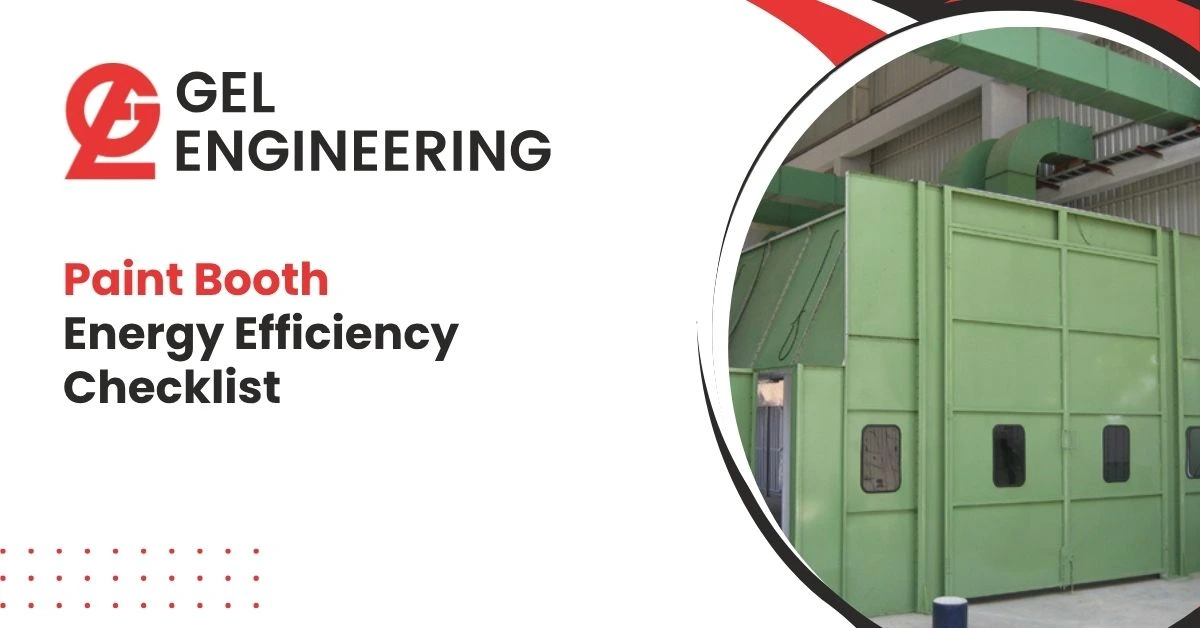
Energy consumption is one of the most significant operational costs in industrial finishing processes. Paint booths, which rely heavily on continuous airflow, ventilation systems, and filtration units, can consume substantial amounts of energy if not properly optimized. Inefficient systems not only increase electricity bills but also reduce productivity and impact overall performance.
Table of Contents
A well-optimized Paint Booth System ensures that energy is used efficiently without compromising paint quality or safety. By implementing a structured energy efficiency checklist, industries can identify inefficiencies, reduce waste, and improve operational performance. This guide provides a detailed and practical approach to optimizing energy usage in paint booth systems.
Why Energy Efficiency Matters in Paint Booth Systems?
Energy efficiency is not just about reducing costs—it directly impacts system performance, sustainability, and regulatory compliance. Paint booths operate for long hours, and even minor inefficiencies can result in significant energy losses over time.
In a Paint Booth System, improving energy efficiency ensures consistent airflow, better coating quality, and reduced wear on system components. It also helps organizations meet environmental standards while lowering their carbon footprint and operational expenses.
Airflow Optimization Checklist
Airflow is the backbone of any paint booth system, and improper airflow can lead to both energy waste and poor paint quality. Excess airflow increases energy consumption, while insufficient airflow affects coating consistency and safety.
Optimizing airflow in a Paint Booth System ensures that air moves efficiently through the booth without unnecessary energy loss. Proper airflow management also improves coating precision and reduces defects.
Checklist:
- Maintain correct air velocity based on booth design
- Balance intake and exhaust airflow
- Avoid excessive airflow beyond requirements
- Monitor pressure levels regularly
- Use variable frequency drives for fan control
- Ensure uniform airflow distribution across the booth
Exhaust System Efficiency Checklist
The exhaust system is responsible for removing contaminated air from the booth, making it a critical component for both performance and energy efficiency. Inefficient exhaust systems can lead to higher energy usage and reduced airflow effectiveness.
A properly optimized Paint Booth System ensures that exhaust fans operate at peak efficiency while maintaining proper airflow balance. This reduces energy waste and improves overall system performance.
Checklist:
- Use high-efficiency exhaust fan motors
- Check duct design to minimize resistance
- Inspect for air leaks and blockages
- Ensure proper fan sizing
- Maintain clean exhaust pathways
- Optimize fan speed for actual demand
Filter Maintenance and Optimization
Filters play a vital role in maintaining clean airflow, but clogged or inefficient filters can significantly increase energy consumption. Restricted airflow forces fans to work harder, leading to higher power usage.
In a Paint Booth System, regular filter maintenance ensures smooth airflow and reduces energy strain on the system. Using high-quality filters also improves overall efficiency and performance.
Checklist:
- Replace filters at recommended intervals
- Monitor pressure drop across filters
- Use high-efficiency exhaust filter rolls
- Avoid overloading filters with contaminants
- Select filters suitable for specific applications
- Maintain proper filter installation
Ventilation Design Efficiency
Ventilation design directly affects how efficiently air moves through the paint booth. Poorly designed systems can lead to uneven airflow, increased energy consumption, and reduced performance.
An optimized Paint Booth System uses efficient ventilation layouts to ensure proper airflow distribution and minimal energy loss. Proper design improves both efficiency and paint quality.
Checklist:
- Optimize intake and exhaust placement
- Avoid airflow obstructions
- Maintain consistent air distribution
- Use aerodynamic duct designs
- Regularly evaluate system performance
- Ensure compliance with design standards
Lighting and Electrical Efficiency
Lighting systems contribute to overall energy consumption in paint booths. Traditional lighting solutions often consume more power without providing optimal visibility.
A modern Paint Booth System uses energy-efficient lighting solutions to reduce electricity usage while improving working conditions. Proper lighting also enhances inspection accuracy and reduces rework.
Checklist:
- Install LED lighting systems
- Ensure proper light positioning
- Maintain uniform illumination levels
- Reduce unnecessary lighting usage
- Regularly inspect electrical systems
- Use energy-efficient electrical components
Fan Motor and Equipment Efficiency
Fan motors are among the highest energy-consuming components in paint booth systems. Inefficient motors can significantly increase operational costs and reduce system performance.
Upgrading components in a Paint Booth System with energy-efficient motors improves airflow control and reduces energy consumption. Advanced motor technologies enhance performance and reliability.
Checklist:
- Use high-efficiency motors
- Install variable frequency drives
- Monitor motor load and performance
- Avoid overloading equipment
- Replace outdated motors
- Perform regular maintenance checks
Looking to reduce energy costs and improve efficiency in your paint booth operations? Contact us today to optimize your Paint Booth System with advanced, energy-efficient solutions.
Automation and Smart Control Systems
Automation is transforming industrial systems by enabling real-time monitoring and control. Manual operations often lead to inefficiencies and unnecessary energy consumption.
An advanced Paint Booth System with smart controls can automatically adjust airflow, lighting, and ventilation based on operational needs. This significantly reduces energy waste and improves efficiency.
Checklist:
- Use automated control panels
- Implement real-time monitoring systems
- Optimize airflow based on demand
- Integrate energy management systems
- Use sensors for system adjustments
- Analyze performance data regularly
Heat Recovery and Temperature Control
Temperature control systems in paint booths consume a significant amount of energy, especially in processes that require heated air. Without proper optimization, heat loss can lead to excessive energy consumption.
A well-designed Paint Booth System can incorporate heat recovery systems to reuse energy and improve efficiency. This reduces operational costs while maintaining consistent temperature conditions.
Checklist:
- Install heat recovery units
- Minimize heat loss through insulation
- Optimize temperature settings
- Use energy-efficient heating systems
- Monitor thermal performance regularly
Preventive Maintenance for Energy Savings
Preventive maintenance is essential for maintaining energy efficiency over time. Neglecting maintenance can lead to increased energy consumption and system inefficiencies.
A properly maintained Paint Booth System operates more efficiently and delivers consistent results. Regular inspections help identify issues before they become major problems.
Checklist:
- Schedule regular maintenance checks
- Inspect all components periodically
- Clean ducts and filters
- Monitor system performance
- Replace worn-out parts promptly
- Maintain proper documentation
Importance of Energy Audits
Regular energy audits help identify inefficiencies and provide actionable insights for improvement. Without audits, energy losses may go unnoticed.
A well-audited Paint Booth System ensures continuous optimization, reduced costs, and improved performance. Energy audits also support long-term sustainability goals.
Frequently Asked Questions
What are the biggest causes of energy loss in a paint booth system?
Energy loss is mainly caused by improper airflow balancing, clogged filters, inefficient fan motors, and poor ventilation design, all of which increase power consumption.
How does proper ventilation design help reduce energy consumption?
An optimized ventilation design ensures smooth airflow with minimal resistance, reducing the load on fans and improving overall system efficiency.
Why is it important to use energy-efficient fan motors in paint booths?
Energy-efficient fan motors consume less electricity while maintaining required airflow levels, helping reduce operational costs and improve system performance.
How do exhaust filters impact the energy efficiency of a paint booth?
Clean and high-quality exhaust filters maintain proper airflow and reduce pressure drop, preventing fans from overworking and consuming excess energy.
Can upgrading old paint booth systems improve energy efficiency?
Yes, upgrading components like motors, filters, and control systems significantly improves efficiency, reduces energy usage, and enhances performance.
How often should a paint booth system be checked for energy efficiency?
Regular inspections and periodic energy audits should be conducted to identify inefficiencies and maintain optimal system performance.
Conclusion
Energy efficiency is a key factor in the performance and sustainability of paint booth systems. By optimizing airflow, filtration, ventilation, and automation, industries can significantly reduce energy consumption while maintaining high-quality output. A structured checklist approach helps identify inefficiencies and implement effective improvements.
Investing in an optimized Paint Booth System not only reduces operational costs but also enhances productivity and compliance with environmental standards. With continuous advancements in technology, energy-efficient paint booths are becoming essential for modern industrial operations, ensuring long-term performance and reliability.
Related Posts