Industrial painting operations require a controlled environment to achieve consistent coating quality, reduce overspray, and…
In modern industrial manufacturing and finishing processes, achieving a flawless surface coating is critical for both product quality and durability. Industries such as automotive, aerospace, and heavy engineering rely on precise painting environments to ensure consistent results. Traditional open painting methods often lead to contamination, uneven coatings, and safety risks, making controlled environments essential.
Table of Contents
A well-designed Paint Booth System provides a controlled space where airflow, filtration, and ventilation are carefully managed. These systems not only improve paint quality but also enhance worker safety and ensure compliance with environmental standards. Understanding each component of the system helps industries optimize performance, reduce defects, and maintain efficient operations.
What is a Paint Booth System?
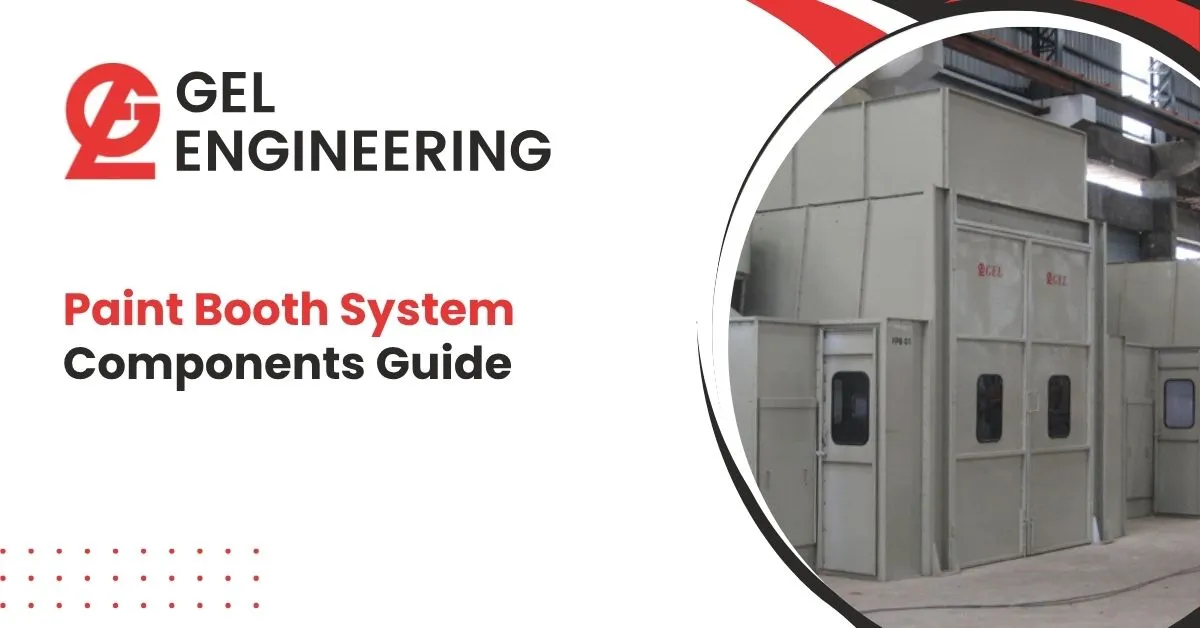
A paint booth system is an enclosed environment designed to control the painting process by regulating airflow, removing contaminants, and maintaining optimal conditions. It ensures that paint is applied uniformly while preventing dust and particles from affecting the finish.
Modern Paint Booth System solutions are engineered with advanced technologies that improve efficiency and precision. They help create a clean workspace, reduce waste, and ensure consistent results across different applications. These systems are essential for industries that require high-quality surface finishing.
Air Intake and Filtration System
The air intake and filtration system is responsible for supplying clean air into the paint booth. It ensures that dust, dirt, and other airborne particles are removed before entering the workspace.
In a Paint Booth System, high-efficiency filters play a critical role in maintaining air purity. Clean air is essential for achieving smooth and defect-free finishes. Proper filtration also reduces the chances of contamination and improves overall painting efficiency.
Key functions include:
- Removing dust and airborne particles
- Maintaining clean air inside the booth
- Improving paint finish quality
- Enhancing system efficiency
- Reducing contamination risks
Airflow and Air Balancing
Airflow management is one of the most important aspects of paint booth performance. Proper air balancing ensures that air enters and exits the booth at the correct rate, maintaining a stable environment.
A well-balanced Paint Booth System prevents overspray buildup and ensures even paint application. It also helps maintain safe working conditions by controlling the movement of fumes and contaminants.
Key considerations include:
- Maintaining proper air pressure balance
- Controlling airflow direction and speed
- Preventing contamination buildup
- Ensuring uniform coating
- Improving safety and efficiency
Ventilation System
The ventilation system removes paint fumes, overspray, and harmful gases from the booth. It is essential for maintaining air quality and protecting workers from exposure to hazardous substances.
In a Paint Booth System, effective ventilation ensures continuous air circulation and proper removal of contaminants. This improves both safety and painting efficiency while ensuring compliance with environmental regulations.
Key features include:
- Removal of fumes and pollutants
- Continuous airflow circulation
- Improved workplace safety
- Compliance with safety standards
- Enhanced painting performance
Exhaust System and Fans
The exhaust system works alongside ventilation to remove contaminated air from the booth. High-performance fans ensure consistent airflow and pressure control.
A properly designed Paint Booth System uses efficient exhaust fans to maintain air quality and prevent accumulation of harmful particles. This ensures a clean and safe environment for painting operations.
Key components include:
- High-capacity exhaust fans
- Air ducts and outlets
- Pressure control systems
- Efficient airflow management
- Reliable continuous operation
Paint Booth Fan CFM and Performance
Fan performance is measured in CFM (cubic feet per minute), which indicates the volume of air moved by the system. Proper CFM calculation is essential for maintaining optimal airflow.
In a Paint Booth System, selecting the correct fan capacity ensures efficient ventilation and energy savings. Incorrect airflow can lead to poor paint quality and safety issues.
Key factors include:
- Booth size and dimensions
- Airflow requirements
- Type of coating process
- Energy efficiency
- Compliance with standards
Looking for advanced and reliable paint booth solutions for your industry? Contact us today to explore customized Paint Booth System designs tailored to your requirements.
Lighting System
Lighting plays a crucial role in achieving high-quality paint finishes. Proper illumination allows operators to detect imperfections and ensure accurate application.
A well-designed Paint Booth System includes uniform, shadow-free lighting to enhance visibility. This improves precision and reduces errors during the painting process.
Key features include:
- Bright and uniform lighting
- Shadow-free visibility
- Energy-efficient systems
- Improved inspection accuracy
- Enhanced productivity
Control Panel and Automation
Modern paint booth systems are equipped with advanced control panels that allow operators to manage airflow, temperature, and lighting. Automation improves efficiency and reduces manual errors.
In a Paint Booth System, automated controls ensure consistent performance and precise operation. This leads to better results and improved operational efficiency.
Key functions include:
- Monitoring system performance
- Adjusting airflow and temperature
- Controlling lighting and ventilation
- Improving operational efficiency
- Ensuring consistent output
Types of Paint Booth Systems
Different industries require different types of paint booth systems based on their application and production needs. Choosing the right type is essential for achieving optimal results.
A properly selected Paint Booth System ensures efficiency, safety, and high-quality finishes. Each type is designed to meet specific operational requirements.
Common types include:
- Downdraft paint booths for uniform airflow
- Crossdraft booths for cost-effective solutions
- Side-draft booths for improved airflow control
- Open face booths for small-scale operations
- Pressurized booths for high-quality finishes
Maintenance and Efficiency Optimization
Regular maintenance is essential for ensuring the long-term performance of paint booth systems. Poor maintenance can lead to reduced efficiency, increased defects, and safety risks.
A well-maintained Paint Booth System operates more efficiently and delivers consistent results. Routine checks and servicing help extend the lifespan of system components.
Best practices include:
- Regular filter replacement
- Inspection of fans and ducts
- Monitoring airflow performance
- Cleaning of booth surfaces
- Scheduled maintenance checks
Paint Booth Components
| Component | Function | Importance |
| Air Intake System | Supplies clean air | High |
| Filtration System | Removes contaminants | High |
| Ventilation System | Removes fumes | Very High |
| Exhaust Fans | Maintains airflow | Very High |
| Lighting System | Improves visibility | Medium |
| Control Panel | Manages operations | High |
Importance of Proper System Design
A properly designed paint booth system ensures that all components work together efficiently. Poor design can lead to defects, contamination, and safety issues.
By implementing a well-engineered Paint Booth System, businesses can improve productivity, reduce costs, and achieve consistent results. Proper design also ensures compliance with industry standards.
Frequently Asked Questions
How does a paint booth system improve paint quality in industrial applications?
A paint booth system creates a controlled environment by managing airflow, filtration, and ventilation, which prevents dust contamination and ensures smooth, uniform coating results.
What role does air filtration play in a paint booth system?
Air filtration removes dust, particles, and contaminants from incoming air, ensuring a clean workspace that directly improves finish quality and reduces rework.
Why is air balancing important in paint booth operations?
Proper air balancing maintains the correct pressure and airflow direction inside the booth, preventing overspray buildup and ensuring consistent paint application.
What factors should be considered when designing a paint booth system?
Key factors include booth size, airflow requirements, type of coating process, ventilation design, and compliance with safety and environmental standards.
How often should paint booth components be maintained or replaced?
Filters, fans, and ducts should be inspected regularly and replaced as needed to maintain efficiency, prevent contamination, and ensure consistent system performance.
What is the importance of CFM in paint booth systems?
CFM determines the volume of air moved through the booth, ensuring proper ventilation, efficient contaminant removal, and safe working conditions.
Conclusion
A paint booth system is a critical part of modern industrial finishing, providing a controlled environment for high-quality paint application. Each component, from filtration to ventilation and automation, plays a vital role in ensuring efficiency and safety. Understanding these components helps businesses optimize performance and maintain consistent results.
By investing in a high-quality Paint Booth System, industries can improve productivity, enhance safety, and meet environmental standards. With proper design and maintenance, these systems deliver long-term value and reliability. As technology advances, paint booth systems will continue to evolve, offering even greater efficiency and precision.
Related Posts