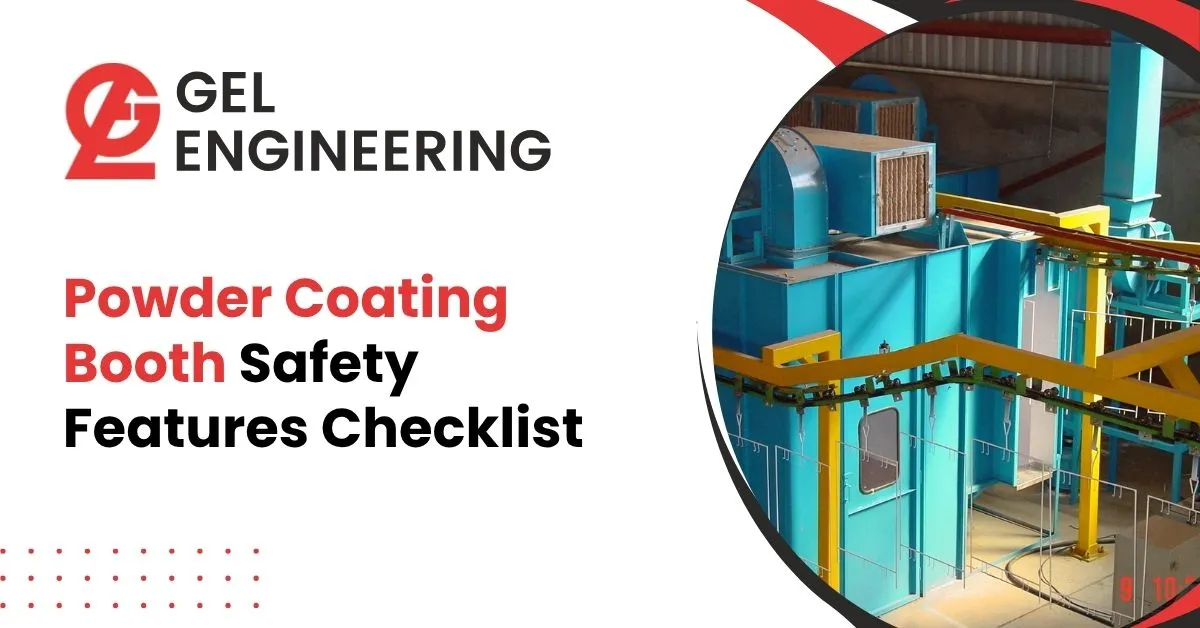
Powder booth filtration is a cornerstone of both safety and process efficiency in powder coating operations. Using high-efficiency cartridge filters helps trap fine overspray particles, reducing airborne powder that can compromise worker health or ignite under static discharge. For even greater efficiency, a multicyclone reclamation system can be employed to separate larger powder particles, allowing you to reuse collected powder and minimize waste. Filter housings should be designed for safe access, with monitoring devices like pressure gauges or differential manometers to alert operators when filters need cleaning or replacement. Proper ductwork design with grounded, explosion-rated materials ensures safe powder transport and prevents static-related discharge. Additionally, when the booth recirculates air, filtration systems should include HEPA filters and, if necessary, activated carbon units to remove fine particles and neutralize odors or volatile components. Cleaning protocols are vital — ATEX-rated vacuum systems should be used to remove filter dust without introducing ignition risks. Scheduled maintenance and filter replacement prevent clogs, pressure drops, and loss of containment, all of which can reduce booth performance and increase safety hazards. Investing in an effective filtration system not only contributes to a clean, compliant workplace but also supports powder reclamation, reduces operational costs, and helps maintain consistent finish quality. A well-designed filtration strategy is therefore not just a regulatory or safety requirement — it’s a smart business decision.
Powder coating is a highly efficient, durable, and eco-friendly finishing process—but working with powder comes with risks. Dust accumulation, electrostatic discharge, and fire or explosion hazards demand a robust safety setup. A well-designed powder coating booth is more than just…