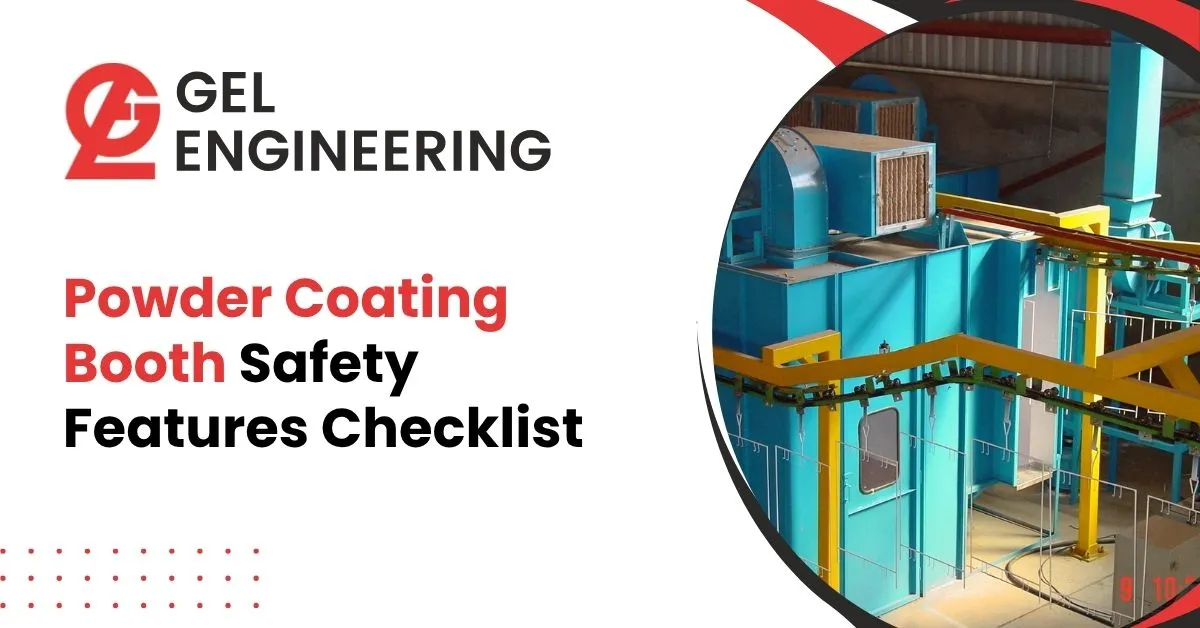
Grounding in powder coating is an essential safety principle designed to prevent the accumulation of static electricity, which can trigger sparks and potentially ignite combustible powder clouds. To achieve this, all metallic and conductive components of the coating setup—including racks, hangers, spray guns, and the operator’s provided gear—must be properly bonded and linked to a common grounding system. Conductive or antistatic flooring further helps by providing a consistent path for electrostatic discharge, reducing the likelihood of dangerous voltage build-up. Equipment like fans, lighting, and electrical panels should be rated for hazardous (ATEX or Class-rated) environments to avoid becoming ignition sources. In addition, regular inspection of resistance levels is crucial: periodic continuity checks with ground monitoring systems help ensure the integrity of your grounding network. Operators themselves must wear grounded footwear and antistatic clothing, and even accessories like grounded gloves ensure every point of contact remains safe. Any movement of components within the booth—like transferring parts from the entry area to the spray zone—should maintain grounding continuity. Combining a well-maintained grounding system with proper administrative practices, such as training and regular testing, significantly reduces the risk of electrostatic spark ignition. In a properly grounded powder coating booth, you not only enhance safety, but you also improve powder transfer efficiency, minimize rework, and safeguard both your workforce and assets.
Powder coating is a highly efficient, durable, and eco-friendly finishing process—but working with powder comes with risks. Dust accumulation, electrostatic discharge, and fire or explosion hazards demand a robust safety setup. A well-designed powder coating booth is more than just…