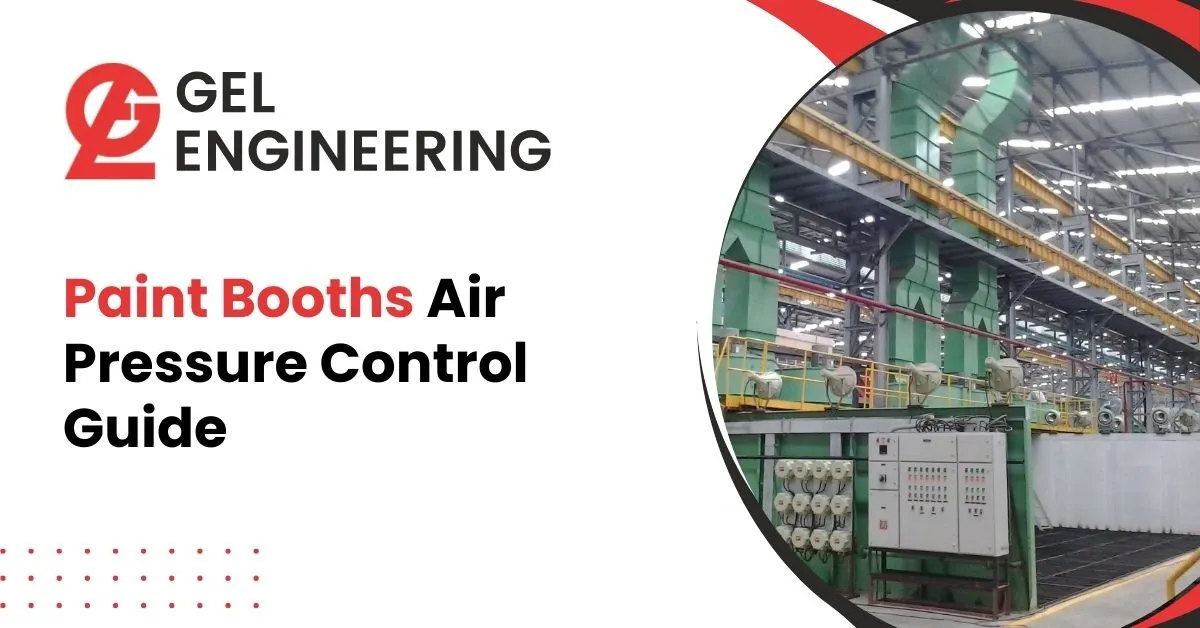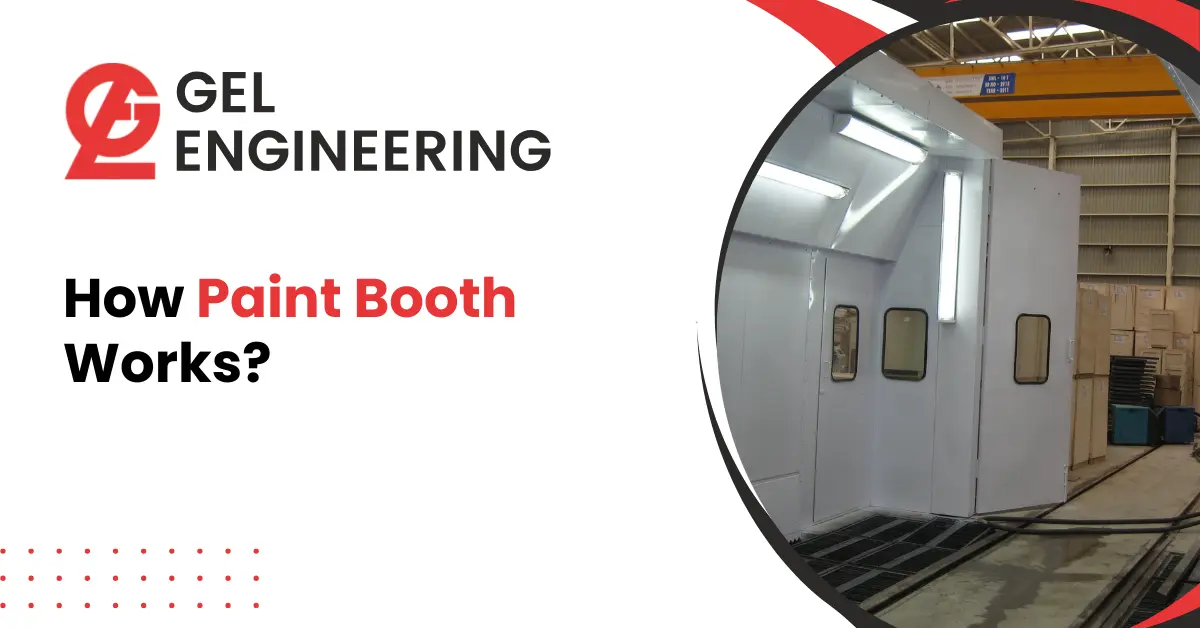
In industrial spray painting, finish quality depends not only on paint material and technique but…
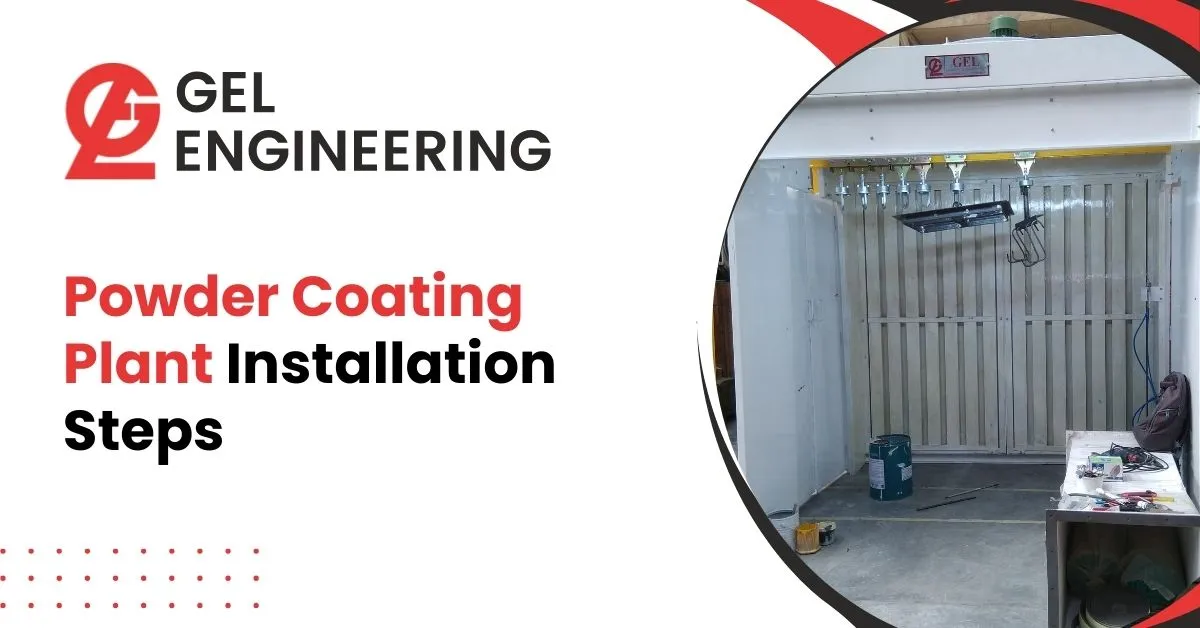
Installing a powder coating plant is a strategic investment for industries seeking superior finishing quality, reduced operational costs, and long-term durability. Whether you belong to automotive manufacturing, metal fabrication, furniture production, appliances, or engineering components, a properly installed powder coating plant ensures maximum productivity, consistent coating performance, and compliance with industrial safety standards. Understanding the correct installation sequence is essential to achieve smooth workflow, balanced airflow, and efficient curing results. This guide covers step-by-step instructions to help industries plan and execute successful powder coating plant installation, from site preparation to commissioning and final testing.
Table of Contents
Step 1: Assess Production Requirements and Facility Planning
The installation process begins with evaluating production capacity, component size, thickness requirements, and expected daily output. Define whether the operations require a manual, semi-automatic, or automatic powder coating plant based on production volume. Determine space availability, workflow direction, and clear movement zones for material handling. Proper plant layout minimizes bottlenecks, ensures smooth conveyor movement, and prevents coating defects due to dust contamination. Planning at this stage ensures the powder coating plant is aligned with industry needs and future expansion potential.
Step 2: Select an Appropriate Powder Coating Spray Booth
Choosing the right booth type—whether powder coating batch booth, conveyor booth, or automatic powder coating booth—directly affects coating consistency and overspray control. For high-volume production, automatic booths with powder recovery systems and continuous material flow offer maximum efficiency. Ensure the booth location allows correct airflow control, easy operator access, and safe ventilation routing. A well-positioned booth enhances powder coating efficiency and reduces waste.
Step 3: Foundation and Structural Preparation
Before equipment installation, prepare a strong, level foundation to support the booth, oven, and conveyor tracks. Industrial flooring should be capable of handling large material loads, heat exposure, and equipment vibration. Mark electrical and pneumatic line locations to avoid rework. Provide adequate space for filter replacement, service access, and routine maintenance checks.
Step 4: Install the Powder Coating Recovery and Filtration System
Efficient recovery and filtration systems are essential for maximizing powder utilization and maintaining a dust-free environment. During installation, correctly position cartridge filters, cyclone separators, and powder collection bins to support consistent airflow. Seal all ducts and pipelines to prevent pressure loss. Proper recovery installation helps reclaim overspray powder for reuse, lowering operating costs and ensuring uniform powder supply to spray guns.
Step 5: Set Up the Curing Oven
Install the curing oven according to thermal load calculations and part size configuration. Both batch ovens and conveyor curing ovens must maintain stable, uniform temperature distribution for correct powder curing. Ensure appropriate insulation, gas or electric heating configuration, and temperature control automation. A well-installed curing oven prevents coating defects such as under-bake, over-bake, orange peeling, or low impact resistance.
Step 6: Install Conveyor System or Material Handling Path
An integrated conveyor line streamlines the production cycle from surface preparation to curing. Align conveyor tracks to maintain smooth movement without vibration or obstruction. Define loading and unloading zones to eliminate operator fatigue and part collision. For manual plants, use trolleys or overhead push conveyors. Proper material handling installation ensures safer operation and reduced cycle time.
Looking to install a high-performance powder coating plant? Contact us today to discuss your project.
Step 7: Electrical, Pneumatic, and Control System Connection
Next, connect electrical wiring, power distribution panels, emergency shutdown controls, and automation systems. Calibration of PLC controls, gun settings, and airflow regulation helps maintain repeatable coating quality. Ensure air compressors and regulators deliver clean, dry air at the recommended pressure. Safety interlocks must be tested to ensure compliance with industrial safety standards.
Step 8: Install Ventilation and Airflow Balancing
Ventilation plays a critical role in powder coating plant installation, supporting operator safety and preventing powder accumulation. Balanced airflow ensures clean finishes and operational stability. Exhaust ducts, supply fresh air units, and airflow dampers must be aligned for balanced negative and positive pressure. Proper ventilation installation prevents dust explosions and ensures environmental compliance.
Step 9: Trial Runs and Performance Testing
After mechanical and electrical installation is complete, conduct testing to evaluate coating quality, temperature stability, airflow pressure, powder recovery efficiency, curing consistency, and conveyor speed. Check for powder leakage, uneven coating, and improper curing before beginning full-scale production. Defects identified during testing should be corrected immediately.
Step 10: Operator Training and Plant Handover
Employee training is a key part of successful installation. Operators must understand spray gun adjustments, oven temperature settings, conveyor control, powder changeover procedures, and emergency safety responses. Trained teams help eliminate coating defects, save powder, and increase productivity. Finally, sign off on plant commissioning and documentation.
Benefits of Proper Powder Coating Plant Installation
- Consistent and uniform coating thickness
- Reduced powder wastage and improved recovery efficiency
- Lower operational downtime and maintenance costs
- Higher production throughput with controlled workflow
- Enhanced adhesion, durability, and corrosion resistance
- Safe and clean working environment
Why Choose Gel Engineers for Powder Coating Plant Projects?
Gel Engineers specializes in designing, manufacturing, and installing custom powder coating plant solutions for diverse industries. With deep technical expertise, modern engineering capabilities, and turnkey support, Gel Engineers ensures optimized plant layout, improved performance, and reliable long-term operation.
Frequently Asked Questions
How long does powder coating plant installation take?
Timeline depends on plant size and automation level, typically ranging from a few weeks to a few months.
What space is required for a powder coating plant?
It varies based on coating booth size, oven dimensions, and conveyor type. Layout planning determines final space allocation.
Can a powder coating plant be upgraded later?
Yes, modular plant design allows automation integration, recovery enhancements, and conveyor expansion.
Is ventilation important during installation?
Yes, proper airflow management ensures operator safety and prevents powder contamination.
Conclusion
Installing a powder coating plant is a strategic decision that demands careful planning, accurate layout design, and proper integration of equipment to achieve high-quality finishing and consistent productivity. From selecting the right spray booth and curing oven to setting up ventilation, conveyor systems, and filtration units, each step plays a crucial role in long-term efficiency and coating performance. A professionally executed installation ensures energy savings, reduced wastage, operator safety, and smooth workflow, strengthening overall industrial output. With expert guidance and well-engineered solutions, industries can maximize operational efficiency and deliver durable, corrosion-resistant finishes across all product segments. Gel Engineers supports industries with customized powder coating plant installation services designed for precision, safety, and reliability that drive manufacturers toward higher productivity and sustainable growth.
Related Posts