In industrial spray painting, finish quality depends not only on paint material and technique but…
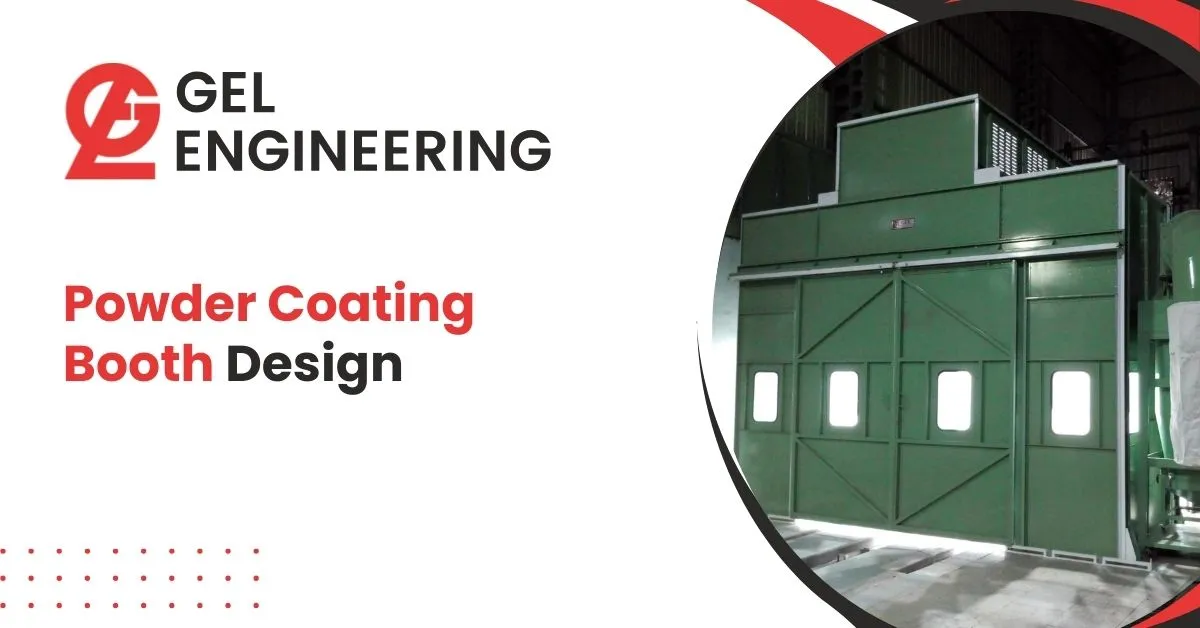
A well-engineered Powder Coating Booth Design plays a vital role in ensuring consistent coating quality, high productivity, operator safety, and long-term cost efficiency. Whether you are setting up a new coating line or upgrading an existing facility, the right powder coating booth design directly impacts airflow control, powder recovery, energy usage, and finish uniformity.
Table of Contents
In modern manufacturing, a poorly designed booth can lead to excessive powder waste, uneven coating, fire hazards, and increased operational costs. This guide explores every critical aspect of powder coating booth design, helping industries make informed decisions for reliable, scalable, and safe coating operations.
What is a Powder Coating Booth?
A powder coating booth is an enclosed system designed to apply electrostatically charged powder onto metal or conductive surfaces. It controls overspray, manages airflow, captures excess powder, and maintains a clean working environment. A well-designed powder coating booth ensures optimal coating thickness, uniform finish, and compliance with industrial safety standards.
Why Powder Coating Booth Design Matters?
The effectiveness of a powder coating operation depends heavily on booth design. A poorly designed system can lead to:
- Uneven coating thickness
- Excessive powder wastage
- Poor airflow and contamination
- Fire and safety hazards
- High maintenance and energy costs
A properly engineered powder coating booth design improves productivity, reduces rework, and extends equipment life.
Key Factors in Powder Coating Booth Design
1. Booth Type Selection
Choosing the right booth type is the foundation of effective design.
Common booth types include:
- Manual Powder Coating Booth
- Automatic Conveyor Booth
- Cartridge Filter Booth
- Cyclone Recovery Booth
- Open Front Booth
Each powder coating booth type suits different production volumes, part sizes, and recovery requirements.
2. Airflow Design & Ventilation
Airflow is the backbone of any powder coating booth design.
Key airflow considerations:
- Uniform airflow across the spraying zone
- Proper air velocity to prevent powder drift
- Balanced intake and exhaust placement
- Stable pressure inside the booth
Well-designed airflow ensures clean finishes, reduces overspray, and enhances operator safety.
3. Powder Recovery System
An efficient powder recovery system improves material utilization and cost savings.
Common recovery systems include:
- Cartridge filter systems – Ideal for quick color changes
- Cyclone recovery systems – Best for high-volume continuous coating
- Hybrid systems – Combine cyclone and cartridge filtration
An optimized powder coating booth recovers up to 95% of unused powder, significantly reducing material waste.
4. Booth Size and Layout Planning
Booth size must match component dimensions, handling method, and production volume.
Important layout considerations:
- Part clearance on all sides
- Conveyor movement path
- Operator access and safety zones
- Maintenance and cleaning space
A well-planned powder coating booth design improves workflow efficiency and prevents bottlenecks.
5. Filtration & Dust Control
Filtration is essential for maintaining clean air and safe operations.
Key filtration components include:
- High-efficiency cartridge filters
- Pulse jet cleaning systems
- Dust collection bins
- Exhaust air treatment units
Efficient filtration ensures regulatory compliance and enhances product quality.
Looking to design or upgrade your powder coating booth? Contact us for a custom-built solution that delivers efficiency, safety, and long-term performance.
6. Safety & Compliance Features
Safety must be embedded into every powder coating booth design.
Key safety elements:
- Proper grounding and bonding
- Explosion-proof electrical components
- Emergency stop systems
- Fire detection and suppression
- Anti-static booth materials
A compliant booth protects workers and reduces downtime.
7. Automation & Smart Controls
Modern powder coating booths integrate automation for consistency and productivity.
Automation features include:
- PLC-based control panels
- Automatic spray guns
- Conveyor integration
- Real-time airflow monitoring
- Energy optimization systems
Automation improves repeatability and reduces manual intervention.
8. Energy Efficiency Considerations
Energy-efficient booth design lowers operating costs.
Energy-saving strategies:
- Variable frequency drives (VFDs)
- Optimized airflow design
- Recirculated air systems
- High-efficiency fans and motors
An optimized powder coating booth minimizes energy loss while maintaining performance.
Powder Coating Booth Design
| Feature | Manual Booth | Automatic Booth | Cyclone Recovery Booth |
| Production Volume | Low–Medium | High | High |
| Powder Recovery | Moderate | High | Very High |
| Automation Level | Low | High | High |
| Space Requirement | Low | Medium–High | High |
| Cost Efficiency | Moderate | High (Long-term) | Very High |
| Best Use Case | Custom jobs | Mass production | Continuous coating |
Benefits of a Well-Designed Powder Coating Booth
A well-designed powder coating booth enhances efficiency, improves finish quality, and ensures safe, cost-effective industrial operations.
- Consistent coating thickness
- Reduced powder wastage
- Improved finish quality
- Lower maintenance cost
- Enhanced worker safety
- Compliance with environmental regulations
Why Choose a Professionally Designed Powder Coating Booth?
A professionally engineered powder coating booth ensures optimal airflow, efficient recovery, long-term reliability, and scalability. Proper design minimizes downtime, enhances safety, and delivers a strong return on investment.
Frequently Asked Questions
What is a powder coating booth?
A powder coating booth is an enclosed system designed to apply powder coatings while controlling overspray, airflow, and dust. It ensures uniform coating quality, safe working conditions, and efficient powder recovery.
Why is proper powder coating booth design important?
A well-designed powder coating booth improves finish consistency, reduces powder waste, enhances airflow efficiency, and ensures operator safety. It also helps meet environmental and industrial compliance standards.
What are the main types of powder coating booths?
Common types include manual booths, automatic conveyor booths, cartridge filter booths, and cyclone recovery booths. Each powder coating booth type suits different production volumes and coating requirements.
How does airflow affect a powder coating booth?
Airflow controls overspray, prevents dust buildup, and ensures even coating. Proper airflow design in a powder coating booth improves finish quality and protects workers from airborne particles.
What is the role of powder recovery systems in booth design?
Powder recovery systems collect unused powder and return it for reuse, reducing waste and lowering material costs. An efficient powder coating booth can recover a significant percentage of overspray.
Conclusion
A well-planned powder coating booth design is essential for achieving high-quality finishes, operational efficiency, and workplace safety. By focusing on airflow management, powder recovery, safety systems, and automation, manufacturers can build a coating line that delivers consistent performance and long-term value. Investing in the right design ensures reduced waste, better productivity, and superior surface finishing outcomes.
Related Posts