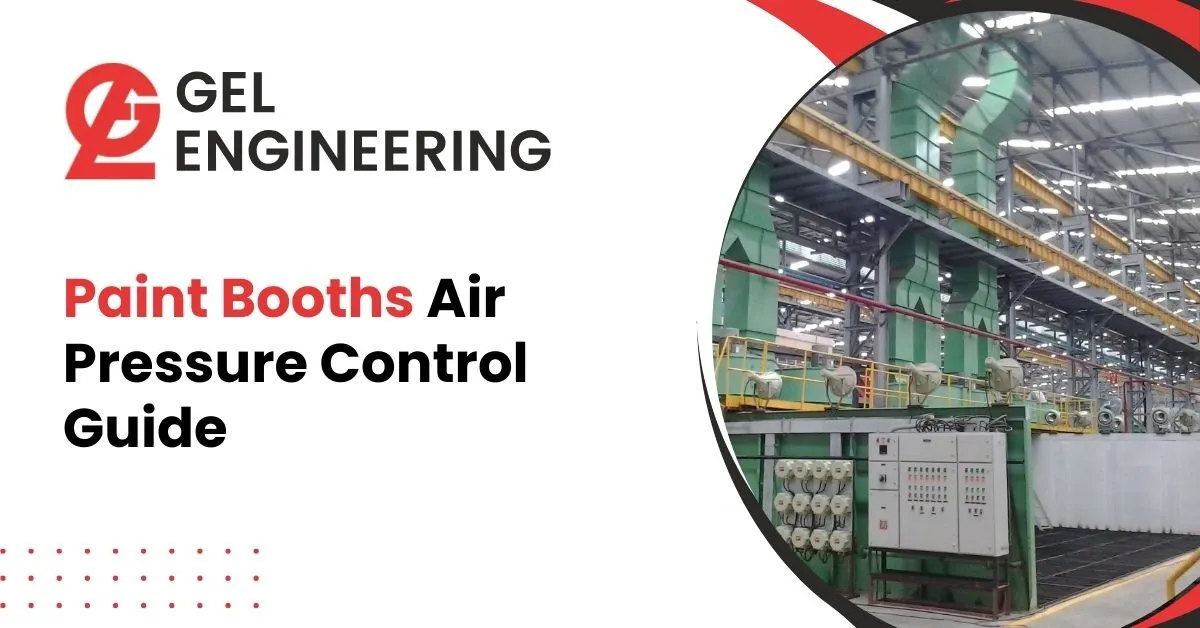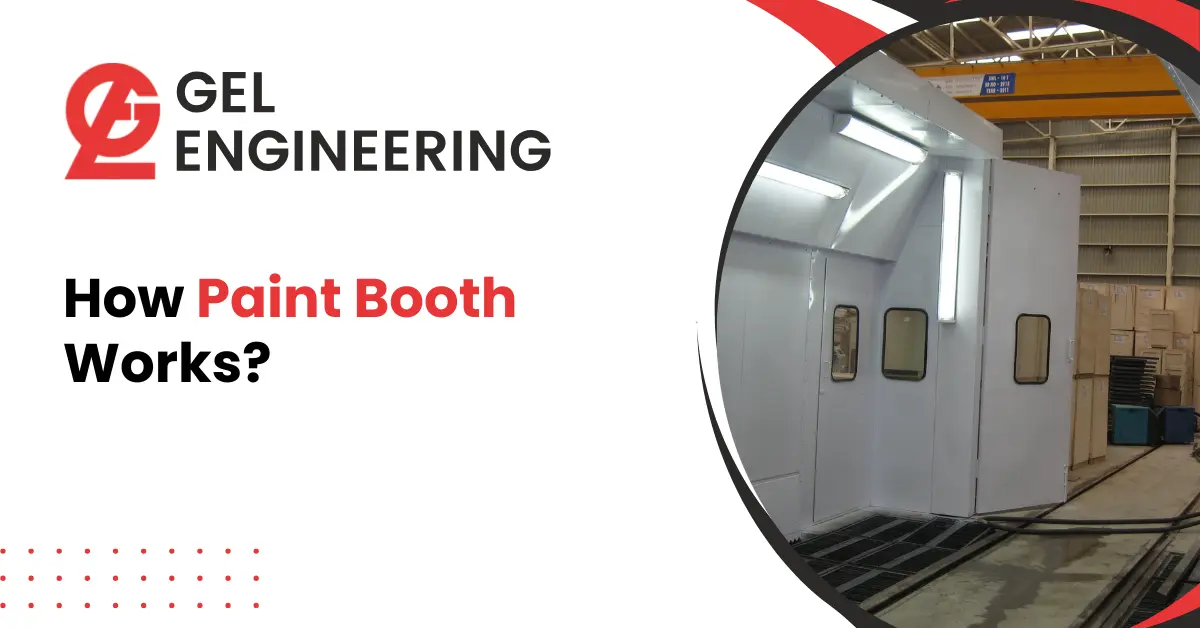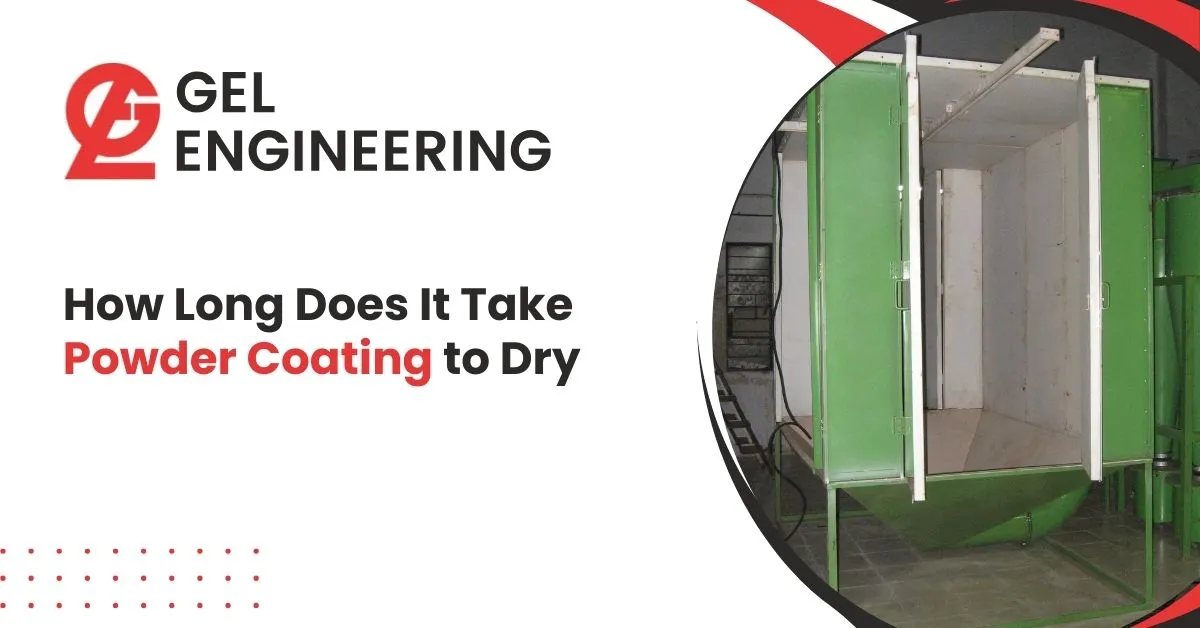
In industrial spray painting, finish quality depends not only on paint material and technique but…
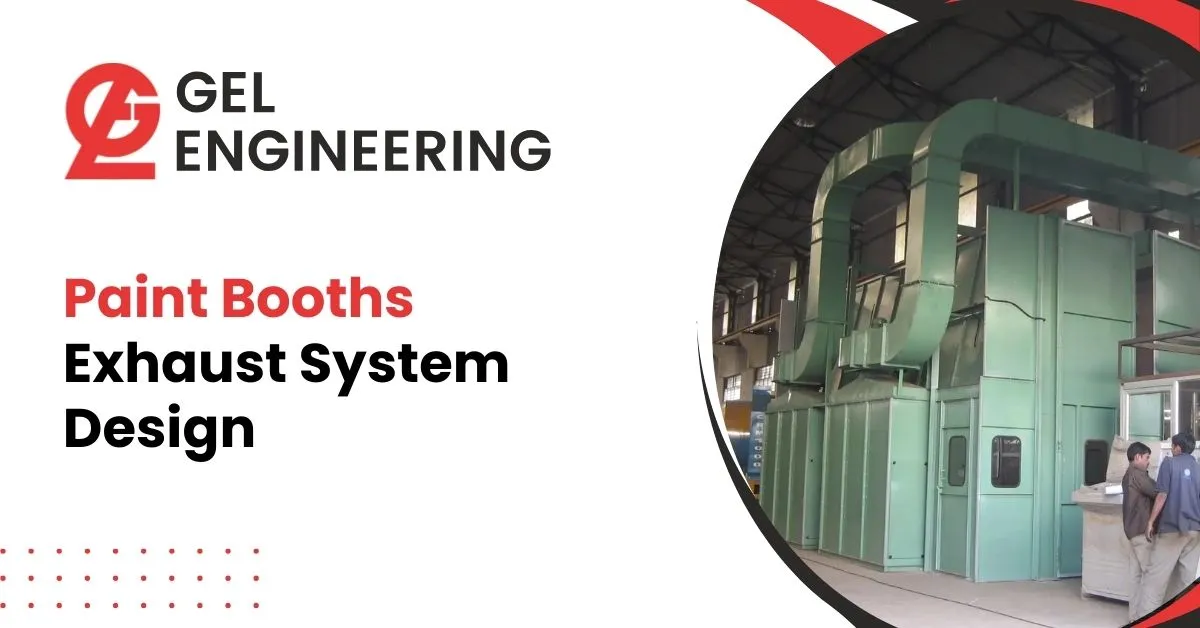
Industrial spray painting requires proper ventilation to maintain safety, finish quality, and regulatory compliance. In modern manufacturing facilities, a Paint Booth exhaust system plays a critical role in removing overspray particles, harmful fumes, and airborne contaminants from the working environment. A properly designed exhaust system ensures smooth airflow, protects workers, and improves coating performance.
Table of Contents
Effective ventilation is essential for maintaining clean and controlled spray-painting conditions. During industrial coating operations, a Paint Booth exhaust system ensures contaminated air is safely removed while maintaining proper airflow balance inside the enclosure. Without proper exhaust design, overspray accumulation and vapor buildup can lead to coating defects and safety risks.
What is a Paint Booth Exhaust System?
An exhaust system is a mechanical ventilation setup designed to remove contaminated air from the spray enclosure. Inside a Paint Booth, the exhaust system captures overspray, paint particles, and volatile organic compounds before releasing filtered air into the atmosphere. The system typically includes exhaust fans, ductwork, filtration units, and discharge stacks.
Proper exhaust design ensures that airflow moves in a controlled direction across the workpiece, maintaining finish quality and safe air conditions.
Why Paint Booth Exhaust System Design is Important?
Industrial coating environments generate fumes, overspray, and airborne particles that must be removed efficiently. A well-engineered Paint Booth exhaust system ensures proper contaminant capture, reduces paint defects, and prevents unsafe vapor accumulation.
Incorrect exhaust airflow can cause turbulence, uneven coating thickness, and contamination on freshly painted surfaces. Proper exhaust design also supports compliance with safety and environmental standards.
Main Components of Paint Booth Exhaust System
Several mechanical and airflow components work together to maintain proper ventilation. In an industrial setting, a Paint Booth exhaust system includes fans, filters, ducting, and airflow control devices that regulate pressure and remove contaminants effectively.
| Component | Function | Importance |
| Exhaust Fan | Pulls contaminated air | Maintains airflow movement |
| Ducting System | Directs airflow | Ensures smooth air transfer |
| Exhaust Filters | Capture overspray | Prevents pollution |
| Dampers | Adjust airflow | Balances pressure |
| Stack/Chimney | Releases air outdoors | Environmental safety |
| Control Panel | Controls fan speed | System efficiency |
Each component must be sized correctly to ensure optimal Paint Booth exhaust performance.
Types of Paint Booth Exhaust System Design
Airflow direction and exhaust placement vary depending on industrial application requirements. Different configurations of a Paint Booth exhaust system influence finish quality, contamination control, and energy efficiency.
Downdraft Exhaust Design
In this configuration, airflow moves from ceiling to floor, and the Paint Booth exhaust is located at the bottom level. This design provides superior contamination control and high-quality finishes.
Crossdraft Exhaust Design
Air enters from the front and exits through rear exhaust filters inside the Paint Booth, making it a cost-effective solution for general industrial use.
Side Draft Exhaust Design
In this system, airflow moves horizontally across the work area, and the Paint Booth exhaust is positioned along the side walls.
Semi-Downdraft Exhaust Design
A hybrid airflow pattern allows the Paint Booth exhaust to balance performance and installation cost.
How to Calculate Paint Booth Exhaust CFM?
Proper airflow volume is critical for effective contaminant removal. To determine airflow capacity, the required CFM (Cubic Feet per Minute) for a Paint Booth exhaust system is calculated using booth dimensions and face velocity.
General guideline : CFM = Booth Area × Face Velocity (FPM)
For example : 10 ft × 8 ft × 50 FPM = 4,000 CFM
Correct CFM calculation ensures efficient overspray capture and stable airflow performance inside the Paint Booth.
Design Considerations for Paint Booth Exhaust System
Designing an efficient ventilation system requires careful planning of airflow paths and pressure balance. A properly engineered Paint Booth exhaust system considers booth size, production volume, coating material type, and safety standards.
Important factors include:
- Booth dimensions and airflow capacity
- Type of paint and solvent used
- Regulatory compliance requirements
- Explosion-proof exhaust fans
- Energy efficiency considerations
- Noise control measures
- Easy access for maintenance
Proper planning ensures reliable and safe Paint Booth exhaust operation.
Airflow Balance and Pressure Control
Airflow balance is critical to maintaining safe spray conditions. Inside a Paint Booth, the exhaust system must work in coordination with supply airflow to maintain slight negative or positive pressure depending on the application.
Balanced airflow ensures:
- Smooth contaminant removal
- Reduced turbulence
- Consistent coating thickness
- Stable internal pressure
Monitoring filter pressure drops and adjusting airflow prevents performance decline.
Need Expert Help Designing Your Paint Booth Exhaust System? Contact us today for customized industrial ventilation solutions.
Common Paint Booth Exhaust System Problems
Operational issues may occur if airflow is not properly maintained. In industrial facilities, a Paint Booth exhaust system can experience performance problems due to filter clogging, duct blockages, or fan inefficiencies.
Low Airflow
Cause: Dirty filters or blocked ducts
Solution: Replace filters and inspect ducting
High Static Pressure
Cause: Restricted exhaust airflow
Solution: Clean or replace filters
Uneven Air Distribution
Cause: Improper duct layout
Solution: Rebalance airflow system
Regular inspection prevents costly production delays and ensures stable Paint Booth performance.
Maintenance of Paint Booth Exhaust System
Routine maintenance ensures long-term ventilation efficiency and consistent coating quality. A well-maintained Paint Booth exhaust system operates with stable airflow, reduced energy consumption, and improved safety.
Maintenance best practices include:
- Daily inspection of pressure gauges
- Regular filter replacement
- Fan motor inspection
- Duct cleaning schedule
- Monitoring airflow performance
Preventive maintenance improves durability and reduces unexpected downtime.
Frequently Asked Questions
What is a Paint Booth exhaust system?
A Paint Booth exhaust system removes overspray, fumes, and contaminants to maintain safe and controlled spray-painting conditions.
How do you calculate Paint Booth exhaust CFM?
Paint Booth exhaust CFM is calculated by multiplying booth face area by required airflow velocity (typically 50–100 FPM).
Which exhaust design is best for a Paint Booth?
Downdraft Paint Booth exhaust systems provide the highest finish quality.
Why is proper ventilation important in a Paint Booth?
Proper ventilation inside a Paint Booth prevents contamination, improves finish consistency, and protects worker health.
How do I ensure my exhaust system meets safety codes?
Follow NFPA and OSHA guidance for ventilation, use explosion-proof fans where required, and ensure stacks/discharges meet local environmental rules. Have systems inspected by a qualified engineer.
Conclusion
A properly designed exhaust system is essential for safe and efficient industrial spray painting. In every production environment, a Paint Booth exhaust system ensures clean airflow, contaminant removal, and compliance with safety regulations. By selecting the right airflow design, calculating correct CFM, and maintaining balanced pressure conditions, industries can optimize Paint Booth performance and achieve consistent, high-quality coating results.
Related Posts