Powder coating is one of the most reliable finishing methods used across industrial environments because…
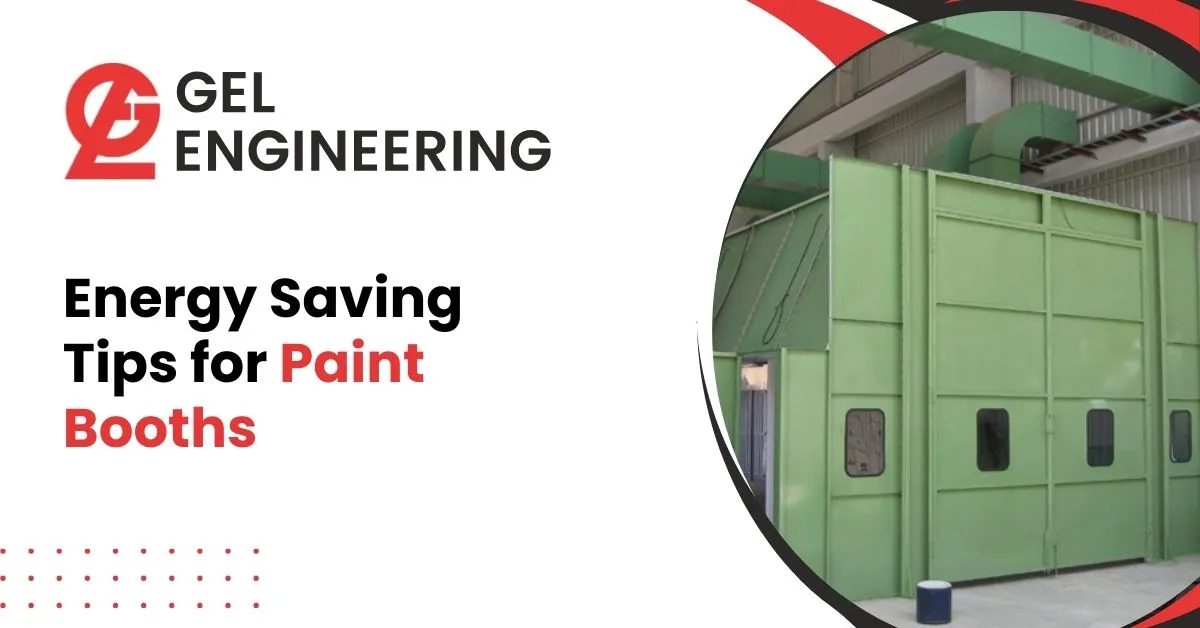
Energy consumption is one of the largest operating costs in industrial finishing facilities. A properly designed and optimized paint booth can significantly reduce electricity usage while maintaining excellent coating quality and safe working conditions. By improving airflow management, upgrading equipment, and following efficient operating practices, manufacturers can lower operational costs and improve sustainability.
Table of Contents
This guide explores practical energy saving tips for paint booths that help industries increase efficiency, reduce power consumption, and maintain consistent finishing performance.
Why Energy Efficiency Matters in Paint Booth Operations?
Industrial spray painting requires continuous airflow, ventilation, heating, and filtration systems. These components consume a considerable amount of energy if not optimized.
Improving energy efficiency in a paint booth helps manufacturers:
- Reduce electricity and fuel consumption
- Lower operational costs
- Improve environmental compliance
- Extend equipment lifespan
- Increase overall production efficiency
Adopting energy-efficient practices ensures better resource utilization without compromising coating quality.
Optimize Paint Booth Airflow
Airflow is one of the most critical factors affecting energy consumption in a paint booth. Excessive airflow can waste energy, while insufficient airflow can affect coating quality.
Best practices for airflow optimization
- Maintain recommended face velocity levels
- Balance supply and exhaust airflow properly
- Regularly inspect airflow dampers
- Avoid unnecessary air turbulence
Maintaining balanced airflow ensures efficient overspray removal while reducing energy demand from fans and ventilation systems.
Use High-Efficiency Paint Booth Filters
Filters play an important role in maintaining airflow stability and controlling overspray. Dirty or clogged filters increase static pressure, forcing fans to work harder and consume more power.
Filter maintenance tips
- Replace filters according to pressure drop guidelines
- Inspect intake and exhaust filters regularly
- Use high-efficiency filtration systems
Clean filters improve airflow efficiency and reduce energy consumption inside the paint booth.
Install Variable Frequency Drives (VFDs)
Variable Frequency Drives allow operators to control the speed of supply and exhaust fans in a paint booth. Instead of running at full power continuously, VFDs adjust fan speed based on airflow requirements.
Benefits of VFD systems
- Lower energy consumption
- Reduced wear on motors
- Improved airflow control
- Lower operational costs
By regulating fan speed, VFDs provide significant energy savings in industrial paint booth systems.
Upgrade to Energy-Efficient Lighting
Lighting systems inside a paint booth must provide high visibility for accurate painting. However, traditional lighting systems can consume significant energy.
Switching to energy-efficient LED lighting offers multiple advantages:
- Reduced power consumption
- Longer service life
- Better illumination quality
- Lower maintenance requirements
LED lights also generate less heat, helping maintain stable booth temperatures.
Improve Paint Booth Heating Efficiency
Heating systems are often the largest energy consumer in spray painting facilities, especially during curing or cold-weather operations.
Ways to improve heating efficiency
- Use high-efficiency burners
- Install heat recovery systems
- Maintain proper insulation
- Monitor temperature settings regularly
Efficient heating systems help maintain optimal paint booth temperatures while reducing fuel costs.
Maintain Proper Booth Sealing
Air leaks around doors, ducts, or booth panels allow conditioned air to escape and increase energy consumption.
Common areas to inspect
- Door seals
- Duct joints
- Filter frames
- Panel connections
Ensuring proper sealing prevents energy loss and maintains stable airflow within the paint booth.
Looking to reduce energy consumption in your paint booth system? Contact us to explore energy-efficient solutions that improve performance and lower operating costs.
Monitor Paint Booth Air Pressure
Maintaining correct air pressure inside the paint booth is essential for both coating quality and energy efficiency.
Proper pressure balance ensures:
- Stable airflow patterns
- Efficient overspray removal
- Reduced fan workload
- Improved coating consistency
Pressure monitoring devices such as differential pressure gauges help detect airflow imbalances early.
Implement Preventive Maintenance Programs
Routine maintenance ensures that every component in the paint booth operates efficiently.
Key maintenance activities
- Inspect fan motors and belts
- Clean ducts and ventilation paths
- Replace clogged filters
- Check airflow sensors and gauges
Preventive maintenance reduces energy waste and prevents costly equipment failures.
Energy Efficiency Comparison in Paint Booth Components
| Component | Energy Issue | Recommended Solution |
| Fans | Excessive power consumption | Install VFD fan controls |
| Filters | High static pressure | Replace regularly |
| Lighting | High electricity usage | Switch to LED lighting |
| Heating system | High fuel consumption | Use energy-efficient burners |
| Air leaks | Energy loss | Improve booth sealing |
This table highlights how simple upgrades can significantly improve paint booth energy efficiency.
Benefits of Energy-Efficient Paint Booth Systems
Implementing energy-saving strategies provides long-term advantages for industrial finishing operations.
Key benefits include
- Reduced operating costs
- Improved equipment reliability
- Lower environmental impact
- Better airflow and coating quality
- Enhanced production efficiency
Energy-efficient paint booth systems help companies maintain competitive manufacturing operations while meeting sustainability goals.
Frequently Asked Questions
Why is energy efficiency important in a paint booth?
Energy efficiency in a paint booth helps reduce electricity and fuel costs while maintaining proper airflow, ventilation, and coating quality. Efficient systems also support environmental compliance.
How can airflow optimization save energy in a paint booth?
Optimizing airflow ensures that the paint booth operates at the correct air velocity without wasting energy. Balanced supply and exhaust airflow reduce fan workload and power consumption.
Do paint booth filters affect energy consumption?
Yes. Clogged or dirty filters increase static pressure inside the paint booth, forcing fans to work harder and consume more energy. Regular filter maintenance improves airflow efficiency.
What role do Variable Frequency Drives (VFDs) play in paint booth energy savings?
VFDs control the speed of supply and exhaust fans in a paint booth, allowing them to operate only at the required level. This reduces unnecessary power usage and improves airflow control.
How does LED lighting help save energy in paint booths?
LED lighting systems consume less electricity and generate less heat than traditional lights. This improves visibility while reducing energy usage in the paint booth.
Conclusion
Improving energy efficiency in a paint booth is essential for reducing operational costs and maintaining high-quality finishing results. By optimizing airflow, maintaining filters, upgrading lighting systems, improving heating efficiency, and implementing preventive maintenance programs, manufacturers can significantly reduce power consumption.
Adopting these energy saving tips for paint booths not only improves productivity but also supports sustainable industrial operations. Investing in energy-efficient technologies ensures long-term performance, lower maintenance costs, and consistent coating quality.
Related Posts