Powder coating is one of the most reliable finishing methods used across industrial environments because…
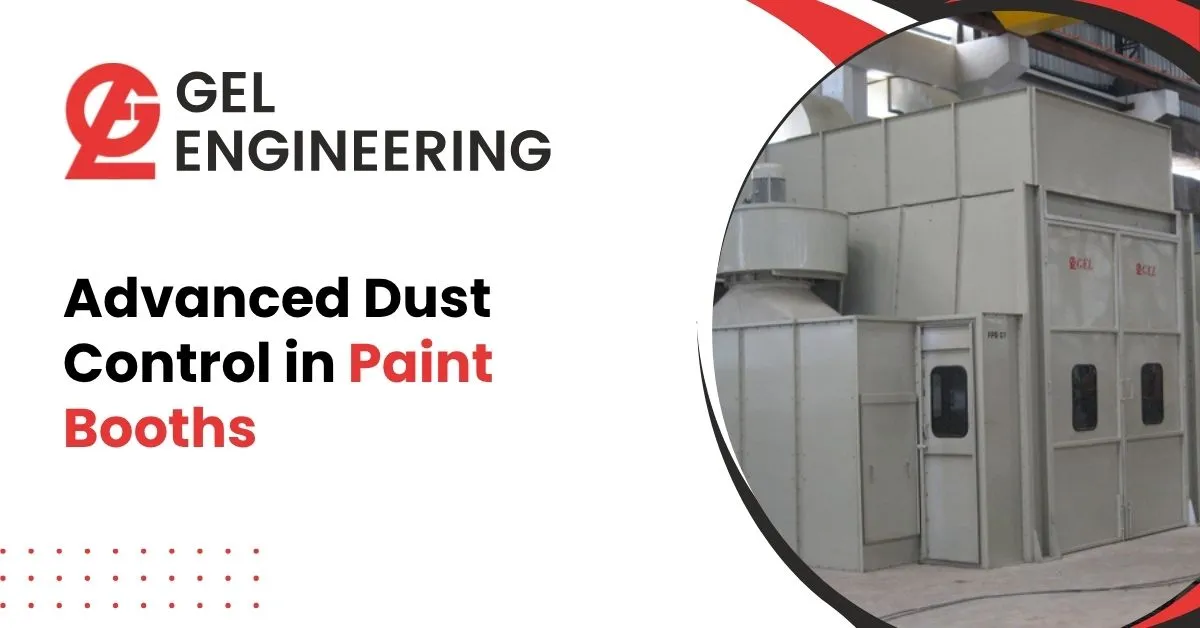
Dust contamination is one of the biggest challenges in achieving high-quality finishes inside a paint booth. Advanced dust control solutions not only improve surface quality but also enhance worker safety, airflow performance, and compliance with industry standards. In this blog, we’ll explore why dust control matters and the latest methods for maintaining a clean and efficient paint booth.
Table of Contents
Why Dust Control in Paint Booths Is Important?
Dust particles compromise the quality of paint jobs, leading to rework, increased costs, and poor finishes. Effective dust management helps maintain smooth coating applications, protects worker health, and ensures regulatory compliance.
Common Sources of Dust in Paint Booths
Dust can enter paint booths from various sources, and identifying them is key to control.
- Airflow and ventilation leaks – poor filtration can carry particles inside.
- Worker movement – dust on clothing, tools, and surfaces.
- Equipment & machinery – grinding, sanding, and prep work nearby.
- Paint overspray & residues – accumulating over time and circulating again.
Advanced Dust Control Techniques in Paint Booths
Modern paint booths use specialized solutions to minimize dust contamination and improve coating efficiency.
1. High-Efficiency Filtration Systems
Using multi-stage filters and HEPA technology captures microscopic particles and ensures clean airflow inside the booth.
2. Positive Pressure Booth Design
Maintaining higher air pressure inside the booth prevents external dust from entering during operations.
3. Downdraft Airflow Systems
Downdraft paint booths direct air vertically, carrying dust and overspray away from the painted surface for a superior finish.
4. Regular Cleaning & Maintenance
Automated cleaning systems and scheduled maintenance prevent dust buildup on walls, floors, and filters.
5. Dust Extraction & Collection Units
Installing industrial dust collectors at sanding stations and prep areas prevents particles from entering the booth.
Improve quality, safety, and compliance—invest in smarter paint booth dust control systems. Contact us Now!
Benefits of Advanced Dust Control in Paint Booths
Implementing modern dust control methods offers multiple advantages:
- Improved finish quality – ensures smooth, defect-free coatings.
- Increased efficiency – less rework and downtime.
- Worker safety – minimizes respiratory risks and fire hazards.
- Regulatory compliance – meets OSHA and environmental standards.
- Extended equipment life – protects fans, filters, and exhaust systems.
Best Practices for Maintaining Dust-Free Paint Booths
A few consistent practices help maximize dust control in paint booths:
- Train workers on protective clothing and entry protocols.
- Keep surrounding areas clean and free of dust-generating work.
- Replace booth filters on schedule.
- Inspect airflow patterns regularly.
- Use automated dust monitoring systems for efficiency.
Future of Dust Control in Paint Booths
With increasing demand for sustainability and flawless finishes, the future of dust control lies in smart paint booth technologies. IoT-based sensors, energy-efficient airflow systems, and automated cleaning solutions will set new standards for dust-free operations.
Frequently Asked Questions
Why is dust control important in a paint booth?
Dust control ensures smooth paint finishes, reduces rework, protects worker health, and keeps operations compliant with safety and environmental standards.
What are the main sources of dust inside a paint booth?
Dust typically comes from airflow leaks, worker clothing, sanding activities, nearby machinery, and accumulated paint residues.
How do HEPA filters help in paint booth dust control?
HEPA filters capture fine particles and contaminants, ensuring clean airflow and minimizing dust circulation inside the booth.
What type of airflow is best for dust reduction in paint booths?
Downdraft airflow systems are highly effective, as they pull dust and overspray away from the painted surface for cleaner finishes.
How often should paint booth filters be replaced?
Filters should be checked weekly and replaced based on manufacturer recommendations or when airflow performance drops.
Conclusion
Advanced dust control in paint booths is essential for ensuring top-quality finishes, worker safety, and long-term operational efficiency. By adopting HEPA filtration, downdraft airflow, and regular maintenance, manufacturers can achieve dust-free environments that deliver consistent results.
Related Posts